
I work in an industry many call “in decline.” That narrative has followed broadcast for two decades. Here’s how that story unfolded from my professional perspective—and why I’m still here.
Phase 1 (2009–2012) — “VOD will kill everything. Linear TV is over.”
When we established 4vod.tv in 2009, we were convinced traditional linear TV had no future. We already had experience with streaming and clearly saw the potential of IP delivery and the open Internet. The media revolution was around the corner, and we wanted to help drive it. We built a VOD platform for broadcasters—only to discover the business models weren’t quite ready. We were early.
Then a foreign client asked for help launching a new linear channel in Poland. We had the tools, so we took the job. That broadcaster is still our client today—more than 14 years later—and, as far as we know, the business is still doing well.
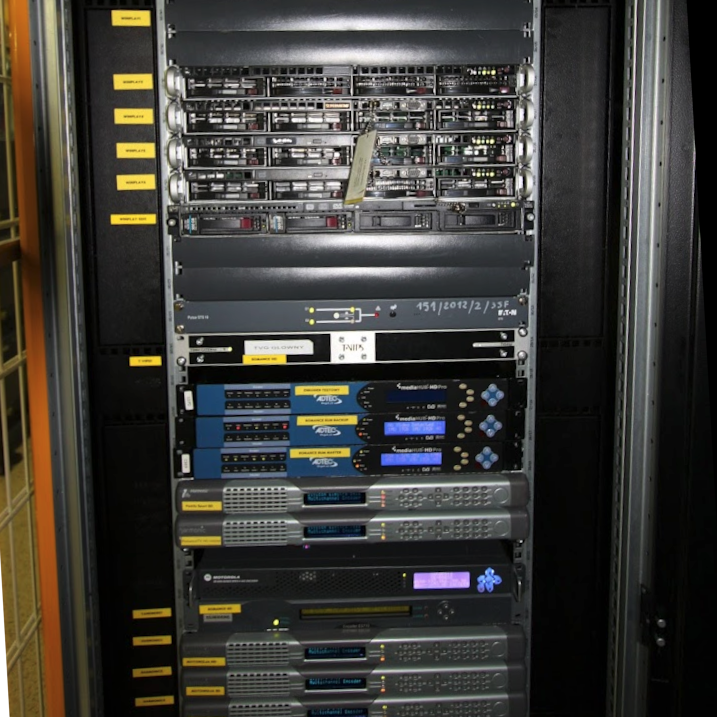
Our server room began to fill up with playout gear and trusty—if somewhat old—SDI coaxial cables.
Phase 2 (2012–2018) — OTT arrives, cord‑cutting accelerates. “Cable and linear TV are dead.”
In 2011, at TVN’s request (now part of Warner Bros. Discovery), we started testing streaming options—including the legendary Wowza server. Watching TVN24 on an iPad was a revelation: sometimes more convenient than a 40‑inch TV. We knew OTT and linear channels would soon be available everywhere, on every device.
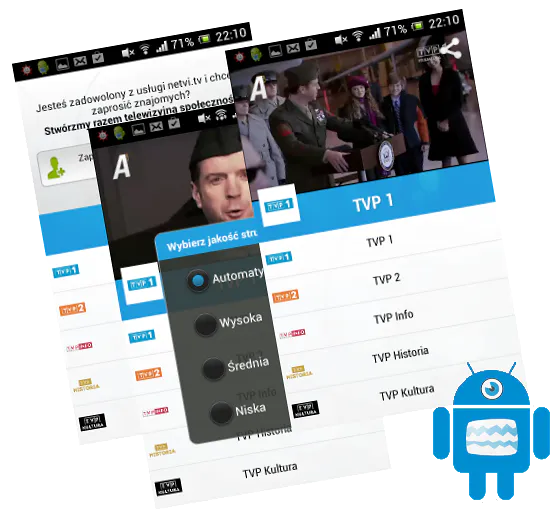
We created an Internet cable service called Netvi, later rebranded to Videostar and today known as Pilot WP. It quickly became a leader in the Polish OTT market with more than one million registered accounts. The paradox? A company set up to build VOD systems created a spinoff to watch linear TV.
Pilot WP is still operating—and, as far as we know, doing well.
Phase 3 (2019–2023) — “This time it’s really over. Netflix wins.”
VOD from telcos and cable operators struggled to break into the mainstream. Then Netflix arrived with great content at a fair price, reshaping expectations globally. Others followed. The COVID‑19 lockdowns accelerated a shift in viewing habits.
So who still watches television in the streaming age? Surprisingly, many viewers still love the “lean‑back” experience. The industry adapted with FAST channels—free, ad‑supported linear channels with targeted ads and curated content. It’s a great idea. Everyone is talking about FAST; it was one of the biggest topics at NAB.
Why I’m still here
More than 14 years later, we’re still partnering with customers—helping them contribute, originate, and distribute live and linear content with the tools this new era demands. The gold rush has simply moved. We build the shovels.
Learn more about how to launch FAST‑ready channels with our playout solution: Quickstream Playout.
Broadcasting sector is dead. Why do I still work for it?
I work in an industry that is in decline. This decline has been going on for two decades. How it started from my professional perspective.
Phase 1 (2009-2012) - Video on demand will kill it all. Linear TV is coming to its end
When we established 4vod.tv in 2009, we were convinced that traditional linear TV had no future. We already had experience with streaming and we felt the potential of IP technology and Internet. The media revolution was lurking around the corner and as innovators and we wanted to be a part of it. We eagerly set about building a VOD platform for broadcasters. The platform was ready but it turned out that business models for VOD were not yet ready for it. We were too early. Walking around the market we came across a foreign client who wanted to launch a new linear channel in the Polish market and we had all the tools to help him. The German broadcaster is still our client today and we have been providing a service for him for over 14 years. As far as I know business is still going well for him.
This customer was followed by others and our server room began to fill up with playouts with good a bit old SDI coaxial cables.
Phase 2 (2012-2018) - OTT is coming, cord cutting is gaining on importance. Traditional cable and linear tv is dead
In 2011 on TVN's request (part of Discovery), we started testing various streaming solutions. One was streaming on iPad (using the legendary Wowza server). When we began watching the TVN24 news channel, it struck us how convenient it was. Watching the news on a tablet screen was very convenient and sometimes much better than watching tv on a bigger 40-inch TV. We knew OTT services and linear channels may soon become available everywhere on every device. We came up with Internet cable service Netvi, later rebranded to Videostar and today known as Pilot WP. In a short time, the service became the leader of the Polish OTT market with more than 1 million registered accounts. What a paradox?! A company that was supposed to create VOD systems invented a spinoff and a service to watch linear TV.
Pilot WP is still working today and is doing well, as far as I know.
Phase 3 (2019–2023) — “This time it’s really over. Netflix wins.”
VOD from telcos and cable operators struggled to break into the mainstream. Then Netflix arrived with great content at a fair price, reshaping expectations globally. Others followed. The COVID‑19 lockdowns accelerated a shift in viewing habits.
So who still watches television in the streaming age? Surprisingly, many viewers still love the “lean‑back” experience. The industry adapted with FAST channels—free, ad‑supported linear channels with targeted ads and curated content. It’s a great idea. Everyone is talking about FAST; it was one of the biggest topics at NAB.
Why I’m still here
More than 14 years later, we’re still partnering with customers—helping them contribute, originate, and distribute live and linear content with the tools this new era demands. The gold rush has simply moved. We build the shovels.
Learn more about how to launch FAST‑ready channels with our playout solution: Quickstream Playout.


